Rationing in World War Two
Rationing began on 8th January 1940 when bacon, butter and sugar were rationed. By 1942 many other foodstuffs, including meat, milk, cheese, eggs and cooking fat were also ‘on the ration’.
 Cartoon Rationing - how would you like your egg this month, dear?
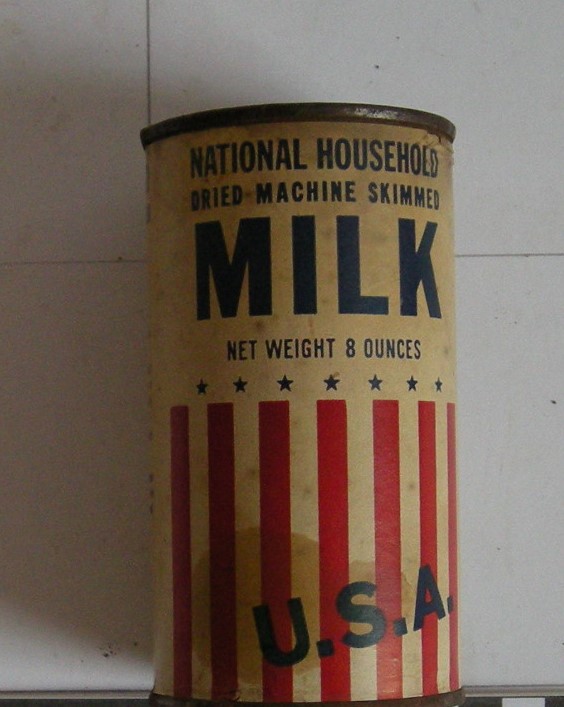
This is a typical weekly food ration for an adult: • Bacon & Ham 4 oz • Other meat value of 1 shilling and 2 pence (equivalent to 2 chops) • Butter 2 oz • Cheese 2 oz • Margarine 4 oz • Cooking fat 4 oz • Milk 3 pints • Sugar 8 oz • Preserves eg. jam 1 lb every 2 months • Tea 2 oz • Eggs 1 fresh egg (plus an allowance of dried egg) • Sweets 12 oz every 4 weeks All schoolchildren had to have a weekly dose of Virol malt extract (like Marmite but sweeter).
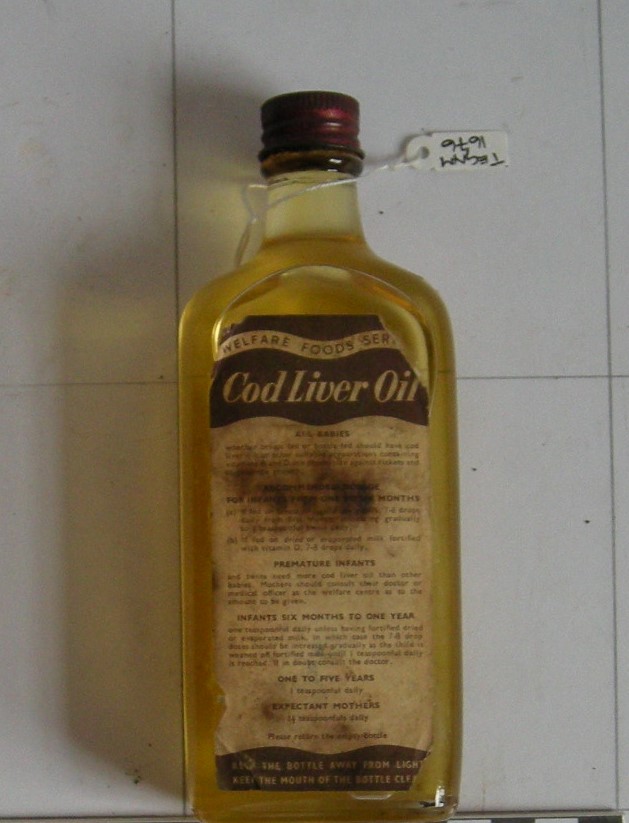
In fact, ordinary people survived on such rations, although those who produced their own food were able to have that little bit extra.
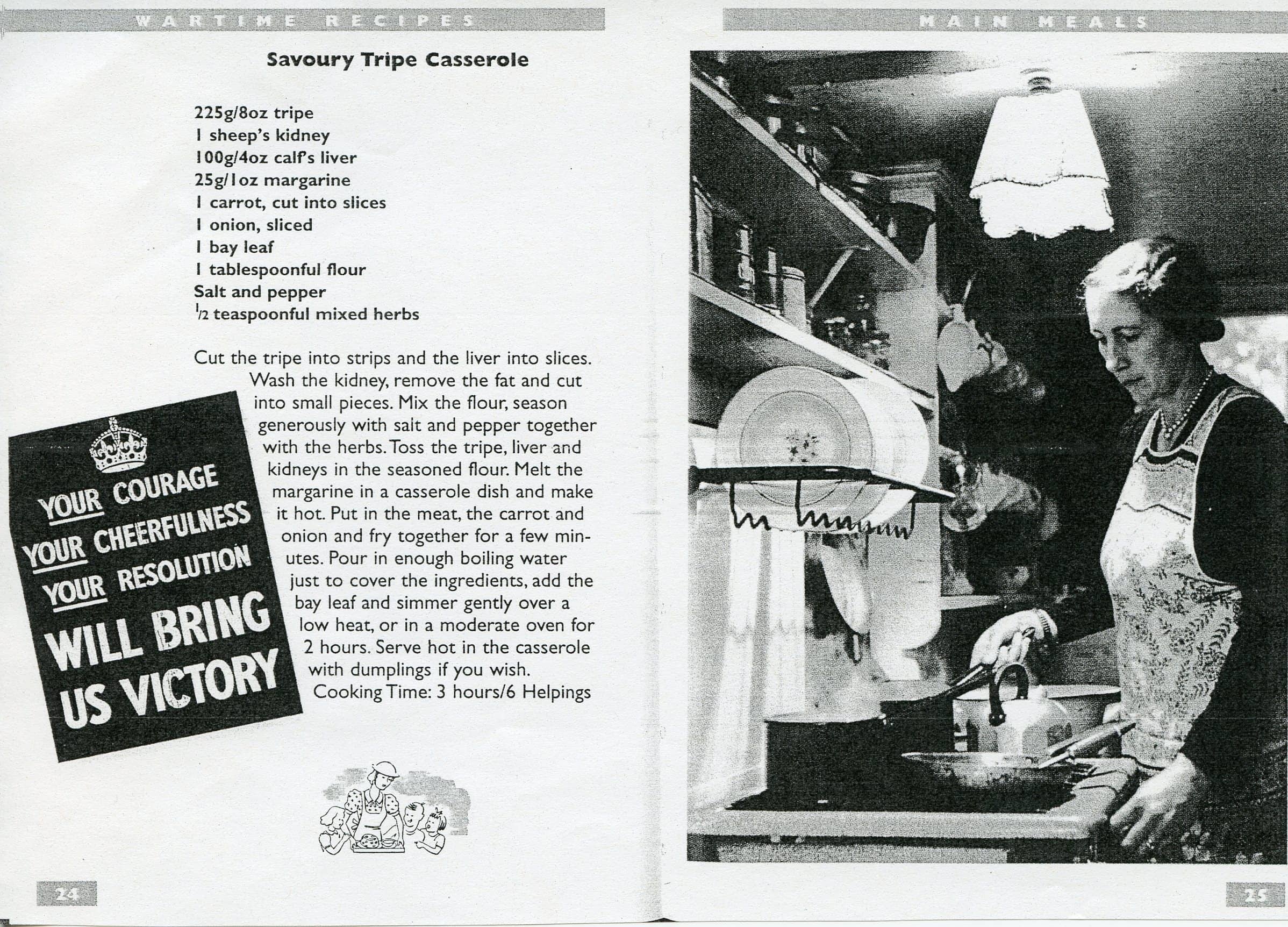 Wartime Cookery
Rationing was a means of ensuring the fair distribution of food and other goods when they were scarce. It began after the start of WW2 with petrol and later included clothing and food.
 Food parcels from Australia
Eventually, most foods were covered by the rationing system with the exception of fruit and vegetables. But some food could be bought on the “black market”.
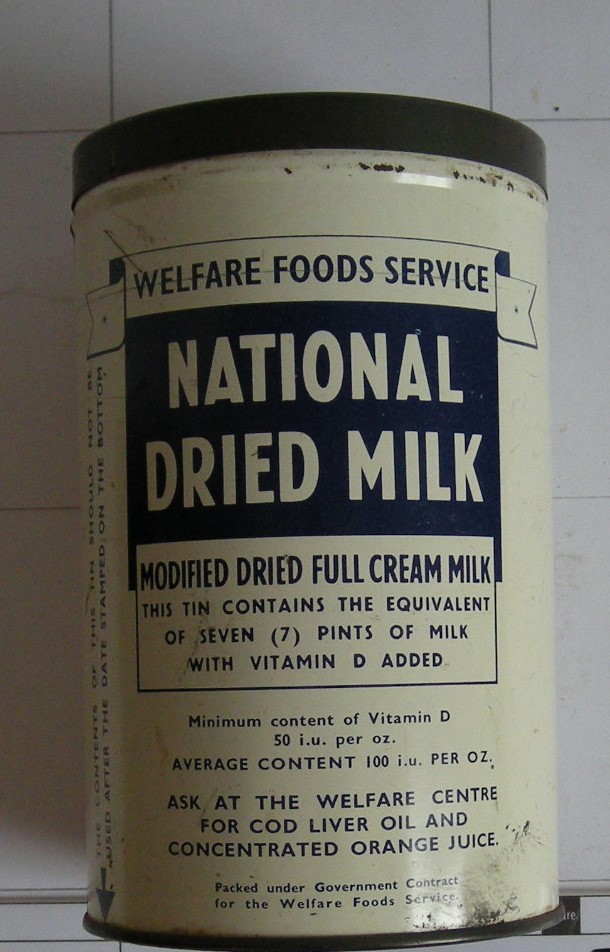
Ration books were given to everyone in Britain who then registered in a shop of their choice. When something was purchased the shopkeeper marked the purchase off in the customer’s book. Special exceptions were made for some groups of people who needed additional food like underground mine workers, the Women’s Land Army and members of the Armed forces.
 Wartime Cookery
The Ministry of Food also produced cookery recipes to help people manage their scarce food supplies, such as Lord Woolton’s pie, with no meat: I lb (pound) of mixed vegetables 3 or 4 spring onions or chopped onion 1 teaspoon of vegetable extract I tablespoon oatmeal Cook together for 10 minutes with just enough water to cover, stirring occasionally. Place in a pie dish, sprinkle with parsley and cover with potato or wheatmeal pastry.
Clothes rationing had been introduced in June 1941. Clothing materials were needed to produce the uniforms that were being worn by a quarter of the population. Most things were rationed in the drive to be more self-sufficient.
 Clothing coupon book
The rationing scheme worked by allocating each type of clothing a “points” value varied on how much material and labour was needed to make it. So, 11 coupons were needed for a dress, 2 for a pair of stockings, and 8 for a man’s shirt or pair of trousers. Women’s shoes were 5 coupons and men’s shoes 7 coupons.
Every adult was initially given 66 coupons to last one year but this amount decreased as the war went on.
Make Do and Mend
 Make do and mend © IWM (Art.IWM PST 4773)
Clothes rationing was introduced by the British Government in June 1941. It was essential raw materials were not wasted as factories were utilised for the production of weapons.
The Make Do and Mend campaign was launched by the Board of Trade in 1942. This poster was illustrated by Donia Nachsen to encourage people to repair their clothes and make use with clothing they already had.
Donate rags
 Donate Rags © IWM (Art.IWM PST 14752)
The artist John Gilroy has featured a dustman leading a figure made of rags for recycling. This poster was designed in 1943 to encourage people to give any fabric material to the rag collector for salvage.
Rag could be used to make uniforms and blankets for soldiers.
What were people encouraged to do with their food?
Grow their own
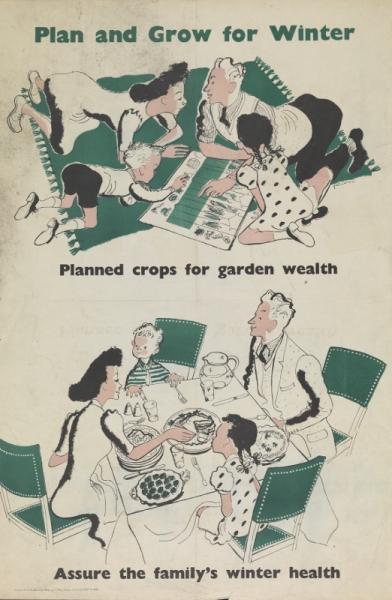
In 1939 Britain was reliant on cheap imports of food from overseas, and only 30 per cent of food was home-produced. The introduction of rationing by the Ministry of Food was therefore inevitable in January 1940 and families were encouraged to grow their own.
By 1943 there were over 1.4 million allotments, producing over a million tons of vegetables that year.
 Eat in moderation © IWM (Art.IWM PST 2814)
The need to change the public’s attitude towards waste and portion size was very important when the food supply was limited. People were encouraged not to waste food or to take more than they needed.
In this poster, James Fitton captures the positive message of austerity that the Ministry of Food was keen to promote.
 Drink Milk © IWM (Art.IWM PST 4944)
Illustrated by James Fitton for the Ministry of Food, circa 1942. Increasing calcium intake amongst vulnerable sections of British society was a priority for the Ministry of Food.
Milk rations were increased for pregnant women and children as priority groups. The initiative’s legacy would be the provision of free milk to schoolchildren from 1946 until 1971.
Supply their own food
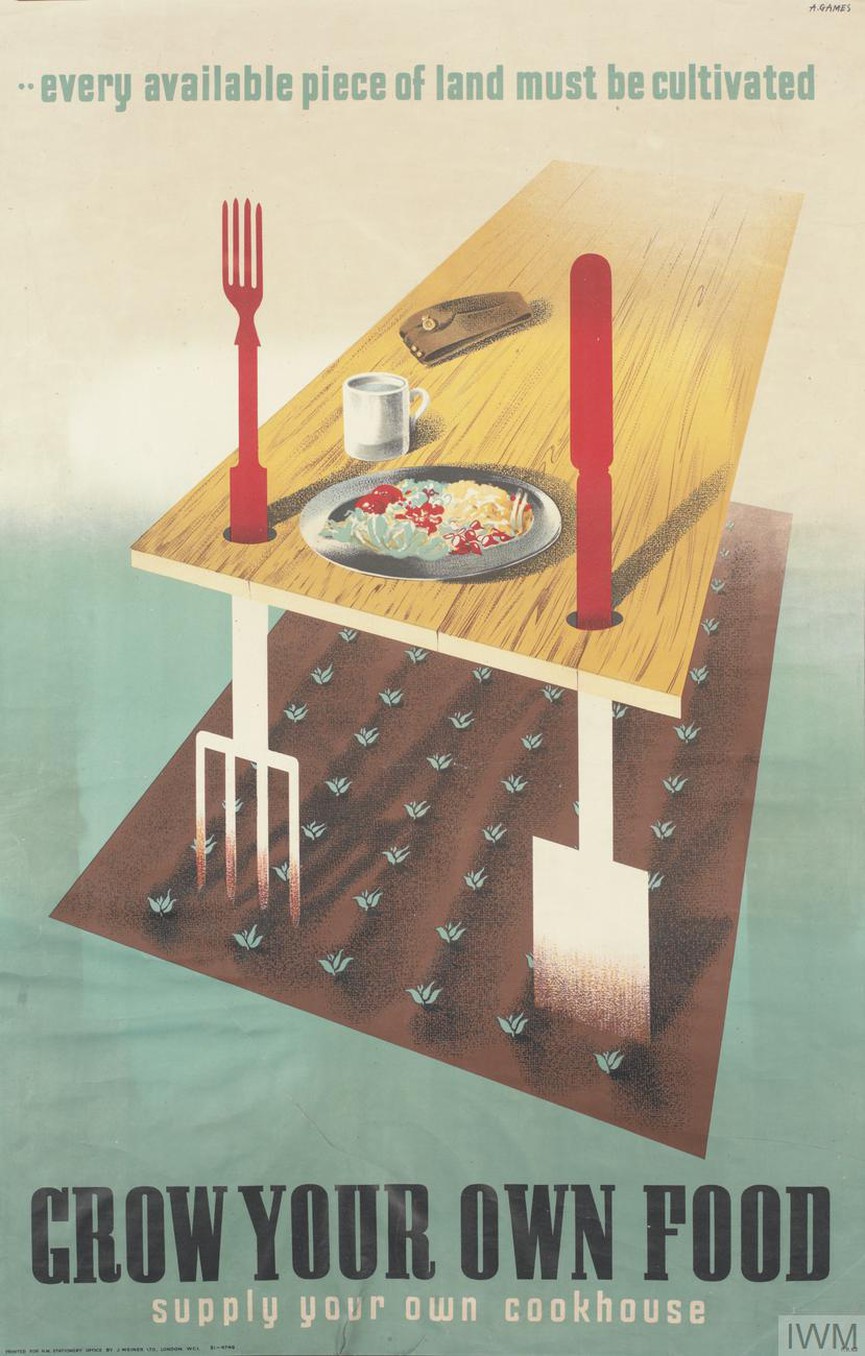 Grow your own food © IWM (Art.IWM PST 2893)
Abram Games was appointed Official War Office Poster Artist and created this effective poster to encourage people to grow their own food using all available space.
The connection between the food grown in the ground and the food on your plate was one the government was keen to emphasise, particularly for those who lived in built-up areas and were not familiar with growing their own fruit and vegetables.
How were people encouraged to salvage?
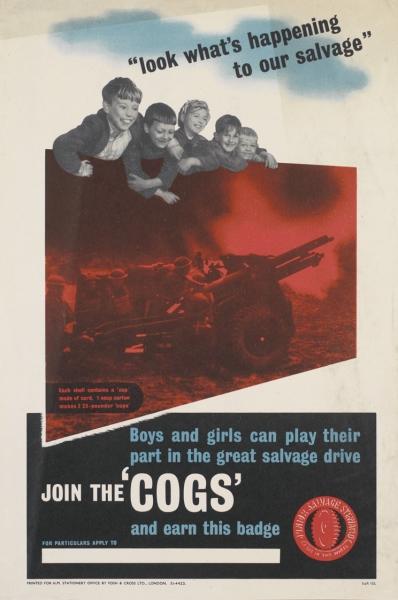 Join the COGS © IWM (Art.IWM PST 14738)
Children were encouraged to help the war effort by collecting metal, paper and rags for recycling. On this poster, soap cartons have been used in the manufacture of artillery shells.
Children could earn the red Junior Salvage Steward cog badge as shown on the poster for their salvage efforts. The “Cogs” even had their own song which began “There’ll Always be a Dustbin” sung to the tune of “There’ll Always be an England” which gave them a sense of belonging.
 Raise funds and save © IWM (Art.IWM PST 3406)
he Squanderbug was created by artist Phillip Boydell, an employee of the National Savings Committee. The Committee raised funds by urging the public to save their own money and invest it in the war effort.
The cartoon bug appeared in press adverts and poster campaigns as a menace who encouraged shoppers to waste money rather than buy war savings certificates.
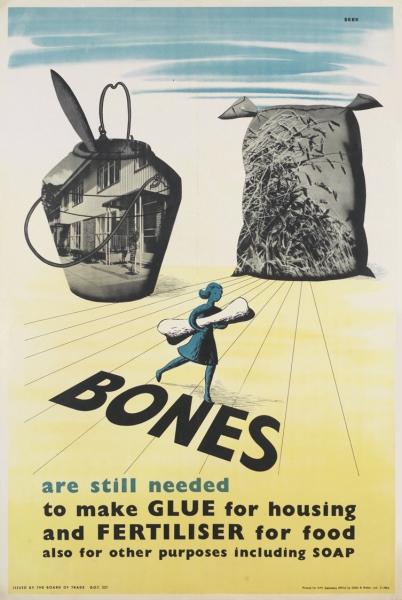 Recycle bones © IWM (Art.IWM PST 14686)
Recycling was very important during the Second World War. Relentless attacks on British and Allied shipping meant that Britain had to be self-sufficient.
People were encouraged to recycle animal bones for their multiple uses, such as glue and fertilizer.
The Czech artist Dorrit Dekk moved to London from Austria after the 1938 Anschluss, a political union of Austria with Germany, achieved through annexation by Adolf Hitler in 1938 and designed many posters, including some for London Transport.

